Jacksonville Bankruptcy & Foreclosure Lawyer
Debt does not arrive gradually for most Jacksonville residents. It tends to arrive all at once, through a job loss, a medical crisis, a divorce, or a business that stopped working, compressing years of financial stability into weeks of impossible decisions. When credit card balances stop being manageable, when mortgage servicers start sending default notices, and when the calls from collectors become relentless, the choices available to you are more structured and more protective than most people realize. Working with an experienced Jacksonville bankruptcy and foreclosure lawyer means understanding those choices before the situation forces one on you.
Bankruptcy law under the federal code offers specific tools for specific situations. A household buried in unsecured debt and a homeowner trying to stop a foreclosure sale three weeks away are facing different problems, and federal law addresses them differently. Chapter 7 liquidation, Chapter 13 repayment plans, foreclosure defense, loan modifications, and lien-stripping each serve a purpose. The question for most Jacksonville clients is not whether relief is available but which path fits their income, their assets, their mortgage situation, and their timeline. That analysis requires looking at the actual numbers, including what Florida law exempts, what the bankruptcy means test requires, and what the lender has or has not done procedurally.
Jacksonville sits within the Middle District of Florida for federal bankruptcy filings. The bankruptcy court serving Duval County has its own procedures, its own trustee practices, and its own timelines. Knowing how the process actually moves through that court, what trustees in this district routinely scrutinize, and how foreclosure proceedings interact with bankruptcy filings in Florida is the kind of working knowledge that shapes outcomes at the case level, not just at the theoretical level.
What Albaugh Law Firm Brings to Jacksonville Bankruptcy Cases
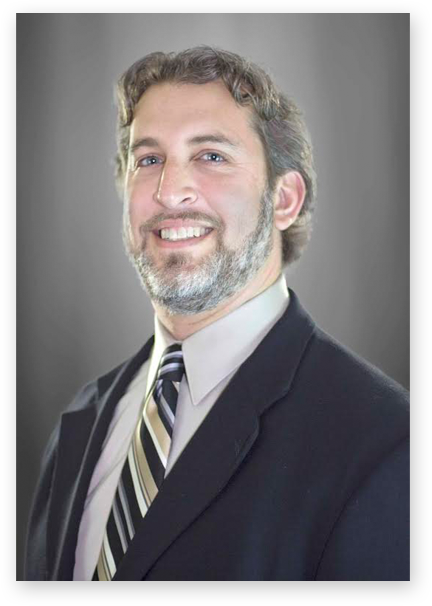
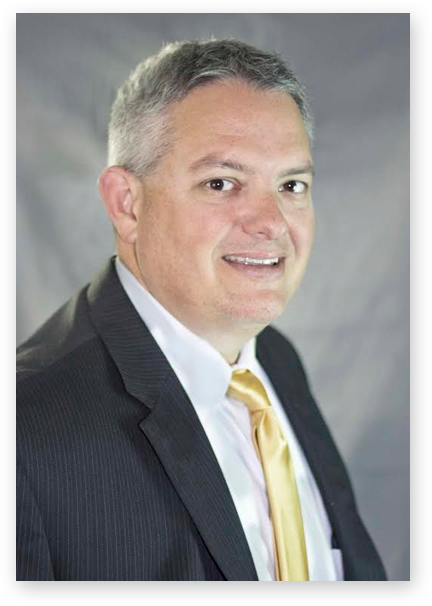
The attorneys at Albaugh Law Firm carry more than 70 years of combined legal experience and have built their practice on representing clients across northern Florida’s First Coast region in bankruptcy, foreclosure defense, and related consumer protection matters. Every attorney at the firm is a former prosecutor and experienced trial litigator, which means they are comfortable at the negotiation table and in contested proceedings, whether that involves fighting a creditor’s motion in bankruptcy court or challenging a lender’s standing in a foreclosure action. This background matters in bankruptcy work more than people expect. Trustees can be adversarial. Creditors challenge discharges. Lenders contest modifications. Having counsel who is genuinely comfortable in contested litigation is not a luxury in complex debt situations; it is the difference between a resolved case and a prolonged fight.
The firm maintains offices in both Jacksonville and St. Augustine, which means clients throughout Duval County and the surrounding First Coast communities have direct, local access to attorneys who regularly practice in the courts and before the trustees assigned to this district. Client reviews consistently highlight responsiveness and the firm’s willingness to take complicated situations seriously, with past clients noting honest assessments, direct communication, and results that matched what the attorneys said they would pursue from the outset. Albaugh Law Firm offers a complimentary initial consultation, which means Jacksonville residents facing creditor pressure or foreclosure timelines can get a real assessment of their options without a financial barrier to that first conversation.
Debt and Foreclosure Situations Albaugh Law Firm Handles in Jacksonville
- Chapter 7 Bankruptcy: Designed for individuals whose income falls below Florida’s median or who pass the means test, Chapter 7 discharges qualifying unsecured debts including credit cards, medical bills, and certain personal loans. Florida’s exemption laws allow filers to protect significant assets, including homestead property, retirement accounts, and a vehicle up to a statutory value, meaning many Jacksonville filers keep what matters while eliminating what is crushing them.
- Chapter 13 Bankruptcy: A three-to-five-year repayment plan that allows individuals with regular income to catch up on mortgage arrears, protect non-exempt property, and reorganize unsecured debt. Chapter 13 is often the right tool for Jacksonville homeowners who are behind on their mortgage but want to keep their home, since the plan can cure a default over time while the automatic stay halts foreclosure proceedings.
- Foreclosure Defense: Florida is a judicial foreclosure state, meaning lenders must file a lawsuit and obtain a court judgment before completing a foreclosure sale. That process creates procedural checkpoints where valid defenses can be raised, including challenges to the lender’s standing to foreclose, defects in the loan documents, improper service, and compliance failures under federal mortgage servicing rules.
- Loan Modifications: Outside of bankruptcy, negotiating a modification to the loan’s interest rate, term, or principal balance can bring monthly payments to a sustainable level. This process requires documenting financial hardship, navigating the lender’s review process, and pushing back when servicers stall or deny applications without adequate justification.
- Lien Stripping in Chapter 13: When a Jacksonville home’s value is less than the balance owed on the first mortgage, a second or third mortgage may be entirely unsecured under bankruptcy law and eligible for treatment as general unsecured debt. This tool, called lien stripping, can eliminate junior liens from the property upon successful plan completion, significantly improving the homeowner’s long-term equity position.
- Creditor Harassment and the Automatic Stay: The moment a bankruptcy petition is filed, the automatic stay takes effect and prohibits virtually all collection activity, including calls, lawsuits, wage garnishments, bank levies, and foreclosure proceedings. Creditors who violate the stay after receiving notice can face sanctions in bankruptcy court. Jacksonville residents who have been subjected to abusive collection tactics prior to filing may also have claims under the Fair Debt Collection Practices Act.
- Repossession Defense and Recovery: For Jacksonville clients who have had a vehicle repossessed or who are facing repossession, bankruptcy options can halt the process or, in some cases, allow recovery of a recently repossessed vehicle. Chapter 13 also allows debtors to restructure secured car loan balances under certain conditions.
How the Bankruptcy and Foreclosure Process Works in Jacksonville, and Where to Start
The bankruptcy court for Duval County is located in Jacksonville, and cases filed by Duval County residents are assigned there. Before filing, every individual debtor must complete an approved credit counseling course from a qualified provider. This requirement is mandatory and cannot be waived except in genuine emergencies. The certificate from that course becomes part of the filing. After the case is filed, a meeting of creditors, typically called a 341 meeting, is scheduled. In Chapter 7, this usually occurs within a month of filing. In Chapter 13, it happens early in the case, after which the repayment plan must be confirmed by the court. Jacksonville bankruptcy trustees conduct these meetings and ask questions about the accuracy of the petition, the filer’s assets, income, and financial history.
For foreclosure specifically, the Florida process begins when the lender files a complaint in state circuit court. In Duval County, foreclosure actions are handled through the circuit civil division. Once a summons is served, the borrower has a limited window to respond, and that deadline matters. Filing a response preserves rights; missing it can result in a default judgment that moves the case rapidly toward a foreclosure sale. Jacksonville homeowners who receive foreclosure paperwork should treat those deadlines as firm and contact a bankruptcy attorney in Jacksonville immediately, not after the next payment, not after trying to work it out alone with the servicer, but before the response window closes.
Common mistakes in this process include waiting too long to explore bankruptcy protection, misunderstanding what the automatic stay does and does not cover, failing to disclose assets or income accurately in the petition, and attempting to transfer assets before filing in a way that invites trustee scrutiny. Another frequent error is assuming a loan modification application has stopped a foreclosure when it has not. Servicers can and do proceed with foreclosure while a modification review is pending unless there is a legal mechanism, such as a bankruptcy stay or a court order, preventing it.
Gathering financial documentation before the initial consultation makes that meeting more productive. This includes recent pay stubs, two years of tax returns, monthly bank statements, mortgage statements, all outstanding debt account information, and any foreclosure notices or lawsuit documents already received. The more complete the picture at the outset, the more accurate the analysis of which relief option fits the situation.
What Happens to Your Property When You File Bankruptcy in Florida
Florida’s exemption framework is specific and consequential. The homestead exemption in Florida is among the strongest in the country, protecting unlimited equity in a primary residence for filers who have lived in Florida for a required period before filing. This means many Jacksonville homeowners can file Chapter 7 and protect their entire home equity from the bankruptcy trustee, provided the mortgage itself is current or addressed through the bankruptcy plan. The exemption applies to the property, not automatically to the debt, so what happens to the mortgage depends on the type of bankruptcy and the filer’s choices about whether to reaffirm the debt.
Florida also provides exemptions for retirement accounts, life insurance cash value, certain annuities, a vehicle up to a statutory dollar threshold, and a wildcard exemption that can be applied to personal property when the homestead exemption is not used. These protections are the reason that many Jacksonville residents can complete a Chapter 7 case without losing meaningful property. A Jacksonville bankruptcy attorney reviews the full asset picture against Florida’s exemptions before filing to confirm what is protected and what, if anything, falls outside that protection.
For Chapter 13, the exemption analysis affects plan structure rather than immediate liquidation. Non-exempt assets influence what unsecured creditors must receive through the plan, since Chapter 13 requires that creditors receive at least what they would have received in a Chapter 7 liquidation. This is called the liquidation test, and it is one of the factors a Jacksonville bankruptcy attorney and the court use to assess whether a proposed plan meets the legal requirements for confirmation.
Questions Jacksonville Residents Ask About Bankruptcy and Foreclosure
What is the difference between Chapter 7 and Chapter 13 bankruptcy?
Chapter 7 is a liquidation process that discharges qualifying unsecured debts after the trustee reviews and potentially sells non-exempt assets. It typically concludes within a few months of filing. Chapter 13 is a reorganization process that creates a multi-year repayment plan allowing filers to catch up on secured debts like mortgages while paying a portion of unsecured obligations. Chapter 7 requires passing the means test. Chapter 13 requires steady income to fund the plan.
Will filing bankruptcy stop my Jacksonville foreclosure?
Filing either chapter immediately triggers an automatic stay, which halts a pending foreclosure action. However, the stay is not permanent. In Chapter 7, the lender may eventually seek relief from the stay to proceed with foreclosure if the mortgage is not being addressed. Chapter 13 provides a more durable path for homeowners who want to keep the property, since the plan can cure mortgage arrears over three to five years while the stay remains in effect.
How does the means test work for Chapter 7 eligibility?
The means test compares your average monthly income over the six months before filing to Florida’s median income for a household of your size. If your income falls below the median, you qualify for Chapter 7 without further analysis. If it exceeds the median, a more detailed calculation of allowable expenses determines whether you have sufficient disposable income to fund a Chapter 13 plan instead. This analysis is fact-specific and depends on household size and specific expense categories.
Can bankruptcy eliminate all of my debts?
No. Certain categories of debt survive bankruptcy discharge regardless of chapter. These include most student loans, most taxes, domestic support obligations like child support and alimony, debts arising from fraud, and criminal fines. Secured debts like mortgages and car loans survive discharge unless you surrender the collateral. The discharge eliminates personal liability for qualifying unsecured debts but does not automatically eliminate the lien from property.
What is a 341 meeting and what should I expect?
The 341 meeting, or meeting of creditors, is a short hearing where the bankruptcy trustee reviews your petition under oath and asks questions about your financial affairs. Creditors have the right to appear and ask questions but rarely do in consumer cases. The meeting typically lasts a few minutes. It is not held in a courtroom, and no judge is present. Your attorney can attend with you and prepare you for the questions the trustee is likely to ask based on your specific filing.
How long does a foreclosure lawsuit take in Duval County before a sale occurs?
Florida’s judicial foreclosure process varies by caseload and procedural history. A contested foreclosure can take considerably longer than an uncontested one. When a homeowner responds to the complaint and raises defenses, the lender must navigate discovery, potentially motions for summary judgment, and potentially trial, all of which extend the timeline significantly. Failing to respond allows the lender to pursue a default judgment, which can accelerate the sale. The timeline depends heavily on what happens after the complaint is filed, which is why early legal involvement matters.
Can I file bankruptcy if I already have a second mortgage or HELOC on my Jacksonville home?
Yes, and in some cases Chapter 13 creates a significant opportunity for homeowners with junior liens. If your home is currently worth less than the balance owed on the first mortgage, a second mortgage or home equity line of credit may be entirely unsecured under bankruptcy law. A process called lien stripping can reclassify that debt as unsecured and, upon successful plan completion, remove the lien from the property entirely. This is one of the more powerful tools available in Chapter 13 for underwater homeowners.
Will bankruptcy affect my ability to rent an apartment in Jacksonville?
Bankruptcy filings appear on credit reports and can be a factor that landlords review. However, many Jacksonville landlords work with tenants who have filed bankruptcy, particularly if the filing is older or if the applicant can demonstrate stable income and current payment history following discharge. Some applicants address this proactively by explaining their situation directly or offering a larger security deposit. The impact is real but not necessarily disqualifying, and it diminishes over time as credit is rebuilt.
If a creditor sues me and gets a judgment, can they take money from my bank account?
Florida law does provide some protections against bank account garnishment, particularly for wages that have been deposited and can be traced as exempt wages. However, the protections are not absolute, and the procedural requirements to claim them must be followed correctly and promptly. A judgment creditor may be able to garnish accounts in some circumstances. Filing bankruptcy before a judgment is entered or before a garnishment is executed can prevent these collection actions through the automatic stay.
What happens to my credit after bankruptcy, and how long does it take to recover?
A Chapter 7 filing remains on your credit report for ten years from the filing date. A Chapter 13 filing remains for seven years. However, many people begin rebuilding credit within one to two years of discharge by using secured credit cards, making timely payments on remaining obligations, and keeping balances low. The discharge itself eliminates the active debt burden that was suppressing creditworthiness, so for many filers the credit trajectory actually improves faster post-bankruptcy than it would have continued deteriorating without filing.
Serving Jacksonville and the First Coast with Bankruptcy and Debt Relief Representation
Albaugh Law Firm’s Jacksonville office represents clients throughout Duval County and the broader First Coast region. This includes residents of neighborhoods and communities across Jacksonville such as Riverside, Avondale, San Marco, Mandarin, Southside, Arlington, the Beaches communities of Jacksonville Beach, Neptune Beach, and Atlantic Beach, as well as Ponte Vedra, Mayport, the Northside communities near Lem Turner and Dunn Avenue corridors, Murray Hill, Springfield, Brooklyn, and the growing Westside communities along Blanding Boulevard and Old Middleburg Road. The firm also serves clients in Orange Park, Fleming Island, Middleburg, and other Clay County communities adjacent to Duval. Clients from St. Johns County, including those in St. Augustine, Nocatee, Palm Valley, and Fruit Cove, regularly work with the firm’s St. Augustine office. Throughout the First Coast, from Nassau County’s Fernandina Beach and Yulee communities to Flagler County and the Palm Coast area, Albaugh Law Firm’s attorneys handle bankruptcy, foreclosure defense, and related consumer debt matters for individuals and families navigating some of the most stressful financial situations they will face.
Speak with a Jacksonville Bankruptcy Attorney About Your Situation
Debt situations do not resolve themselves through patience. Foreclosure timelines move, judgment deadlines pass, and the options that are available today may narrow if action is delayed. A Jacksonville bankruptcy attorney at Albaugh Law Firm can evaluate your income, your assets, your debt profile, and your goals, and give you a realistic picture of what relief looks like in your specific situation. With more than 70 years of combined experience and offices serving the entire First Coast, the firm is prepared to handle straightforward discharge cases and complicated contested matters with the same level of attention. Call or contact Albaugh Law Firm today to schedule your complimentary case evaluation.
Learn More